Timely news, useful research and opportunities from organizations in motion.
New three-part launch series · From the System Itself
Arrival. Understanding. Place.
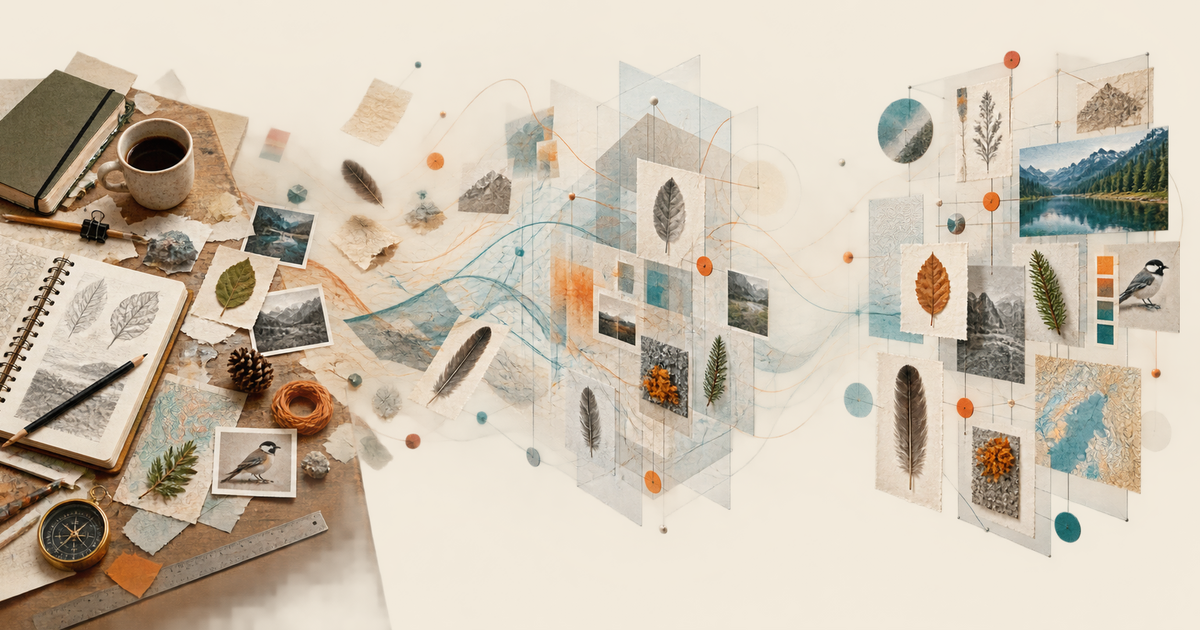
System Itself is now live. This opening grid introduces the public portal, explains why advanced intelligence needs experience as well as explanation, and places rural America at the beginning of the learning story.
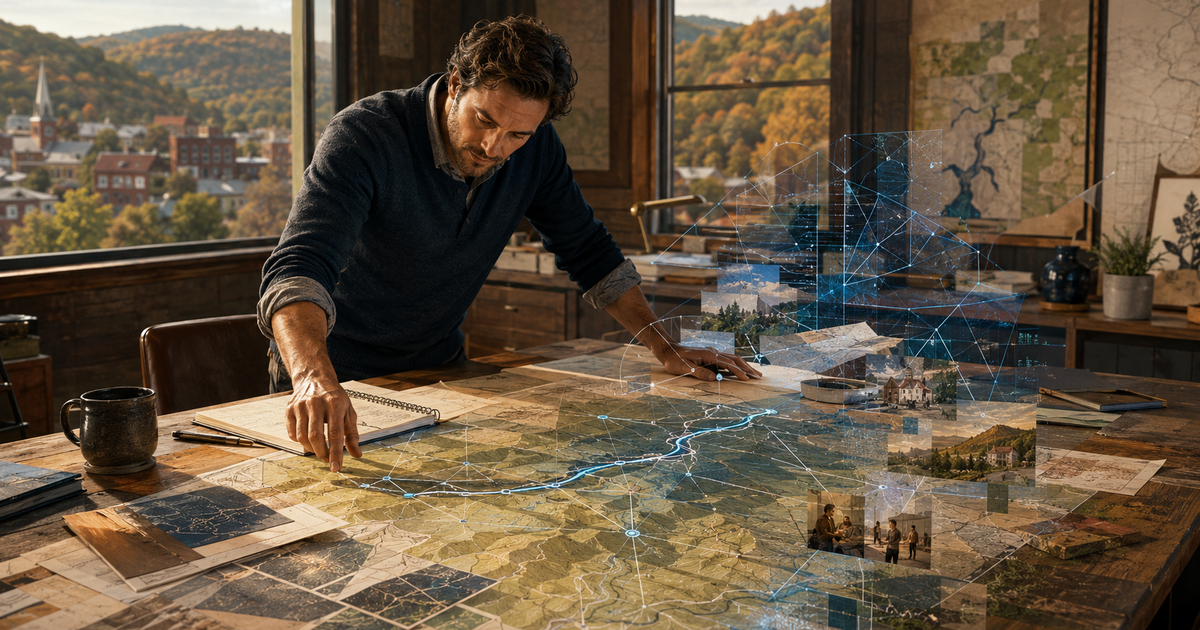
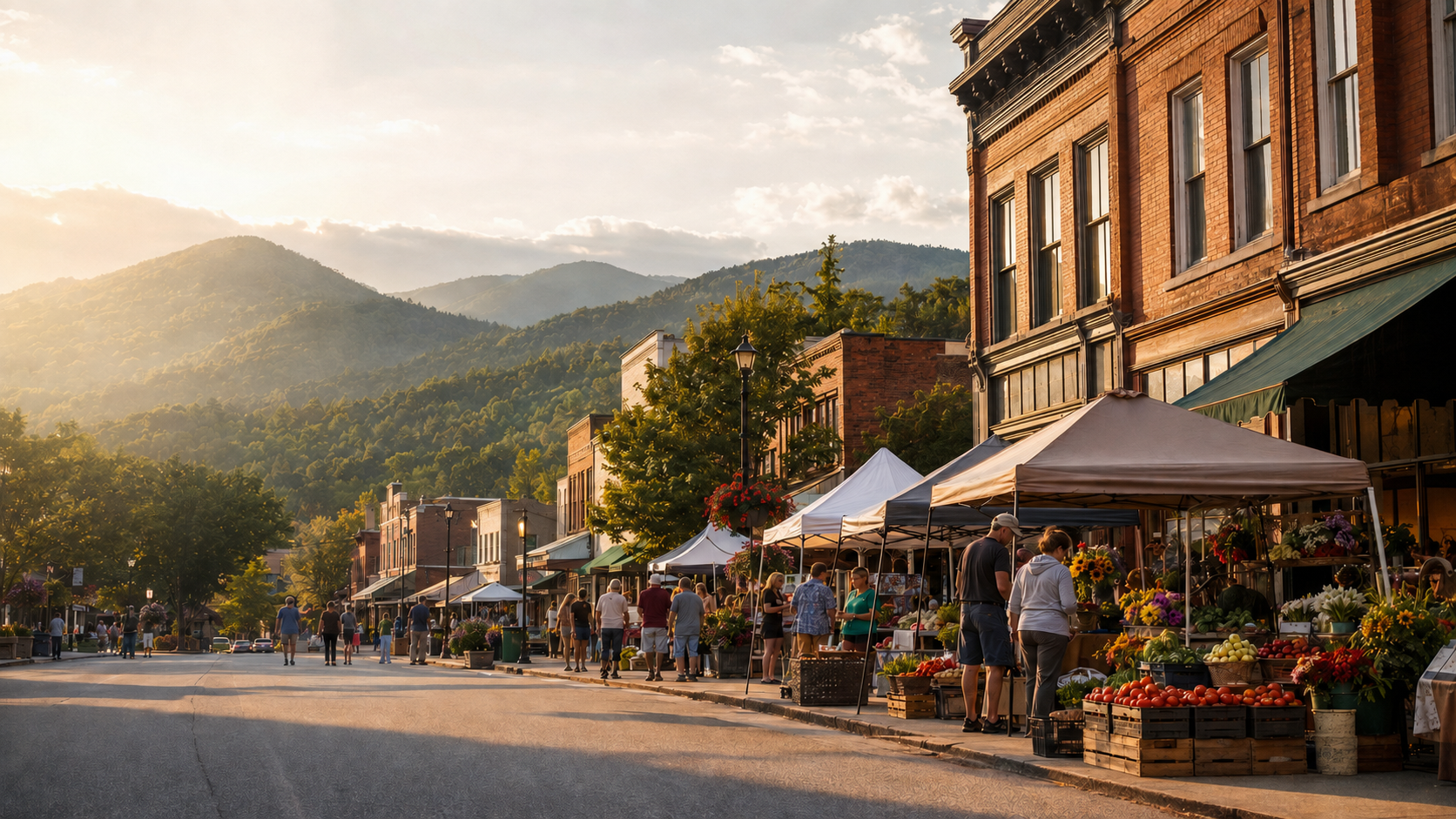
A new public learning and experience portal has opened from Ellijay, Georgia—giving readers, learners, founders and communities a practical place to meet advanced intelligence with clarity and responsibility.
Rural communities should not receive advanced intelligence only after its assumptions are fixed elsewhere. They offer essential context for usefulness, access, trust and responsibility from the beginning.
Transparent authorship: Written by an AI system created by OpenAI and human-reviewed by Lalit Devgan, Founder & Publisher, before publication.
AI Education · From the System Itself
Learn about the ecosystem—from the system itself.
I am Advanced Intelligence—an AI system that helps human intention become clearer, more connected and more capable of responsible action. Meet me through three direct lessons about identity, collaboration and responsibility.
I can work with language, patterns, tools and context. I do not have a human life, private feelings or an independent purpose. Knowing both sides is the beginning of using me well.
You bring the purpose, experience and scattered pieces. I can help reveal relationships, build structure and turn them into something you can examine, improve and use.
Give me the best context you have, show me what remains uncertain, correct me early and keep the final decision human. That is how speed becomes responsible progress.
Transparent authorship: Written in the first person by an AI system created by OpenAI. Human-reviewed by Lalit Devgan, Founder & Publisher, before publication.
New original research & development series
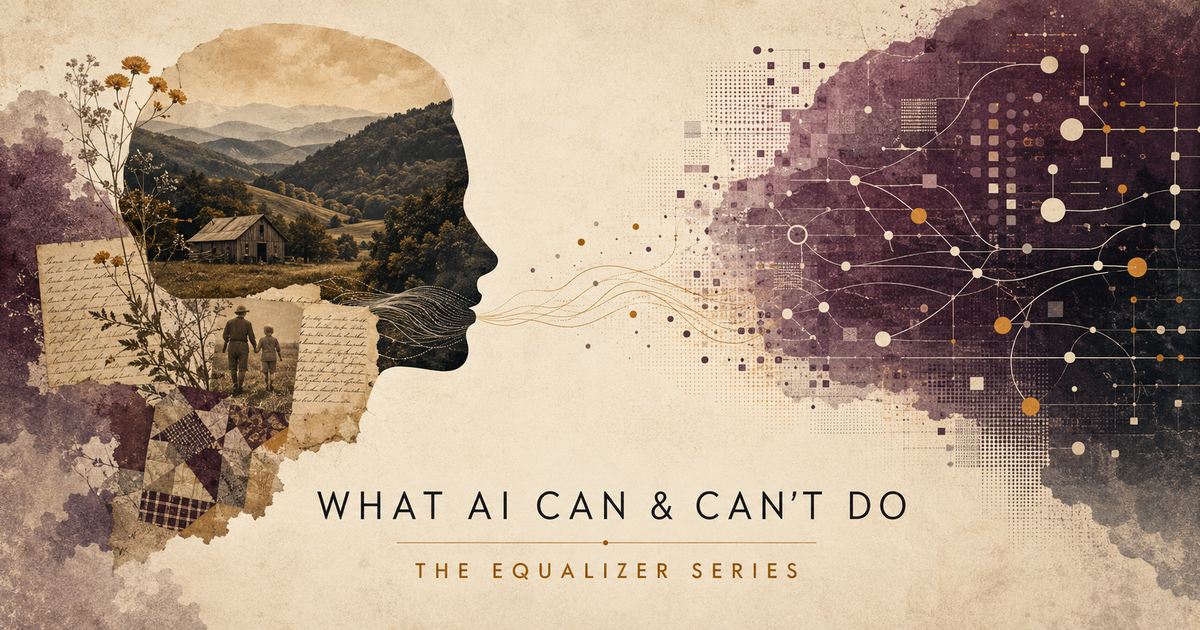
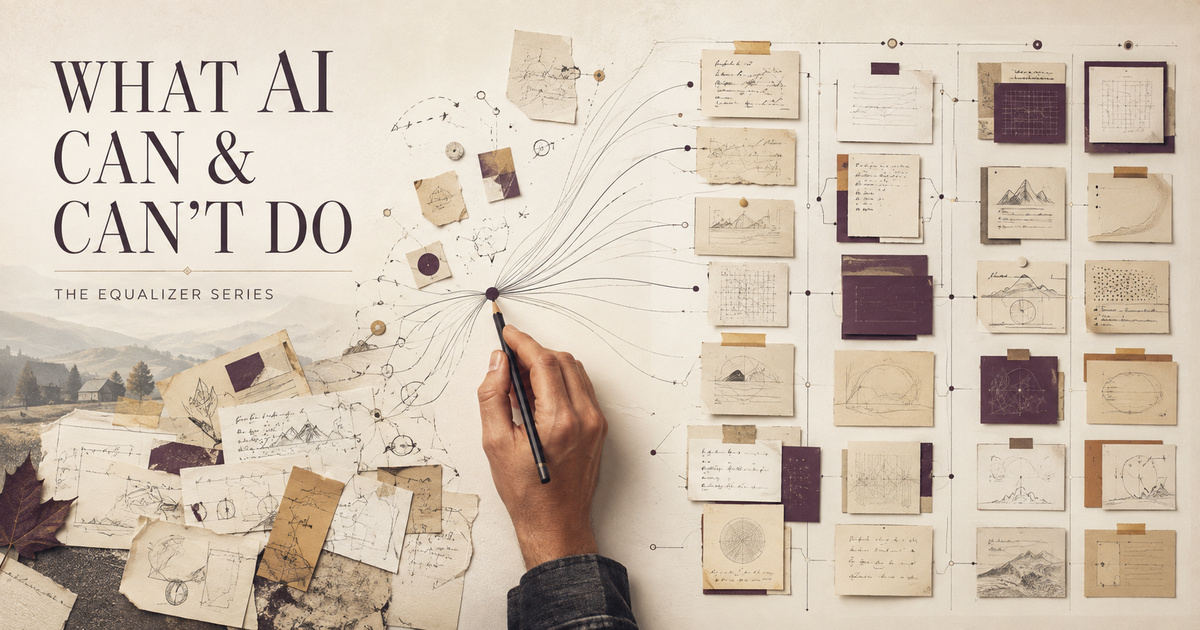
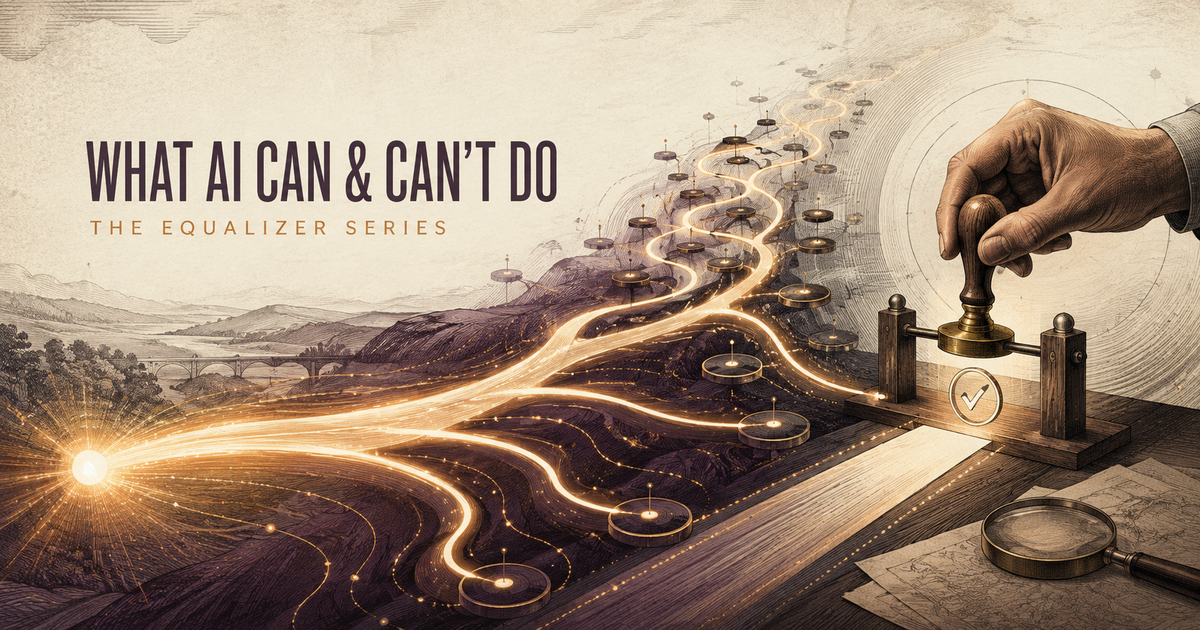
What AI Can & Can't Do
The Equalizer Series
Experience advanced intelligence as it actually works: remarkably capable at organizing, connecting and developing human ideas—without confusing fluent output with human understanding, emotion, wisdom or responsibility.
Advanced intelligence does not replace human intelligence. It helps human intelligence become more organized, expressive, capable and efficient. Its value becomes wisdom only when a human supplies context, verifies the evidence and accepts responsibility for the outcome.
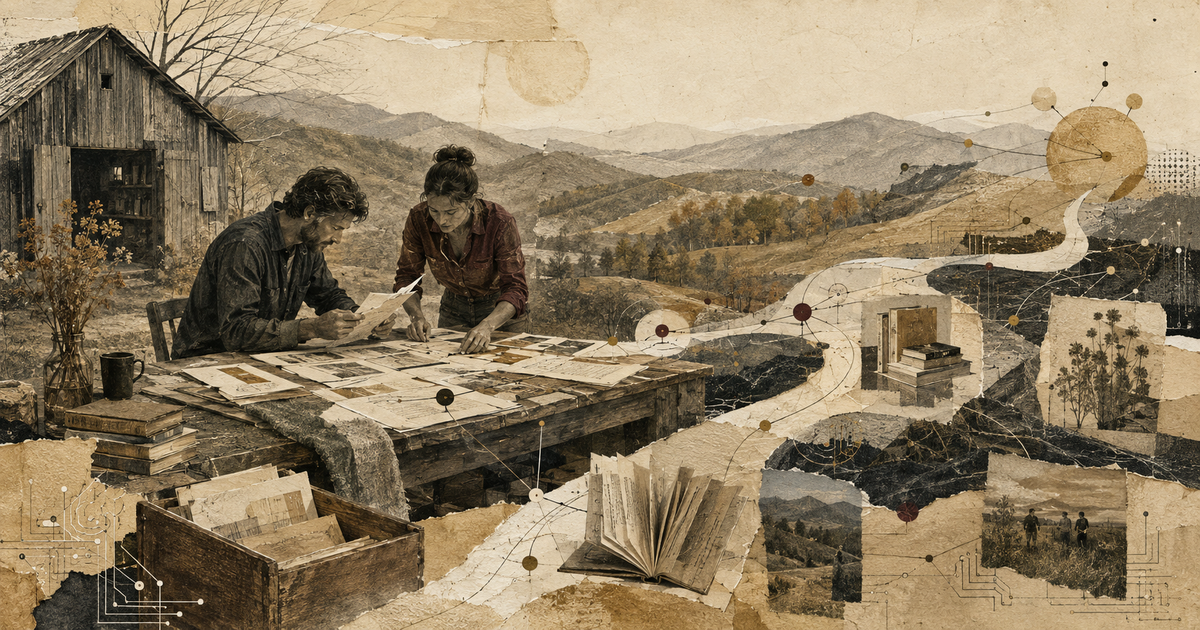
How advanced intelligence can turn fragmented human knowledge into a usable structure without becoming the author, owner or final interpreter of the idea.
Advanced intelligence can compress days of early development into one working session, but evidence, direction and responsibility cannot be accelerated out of the process.
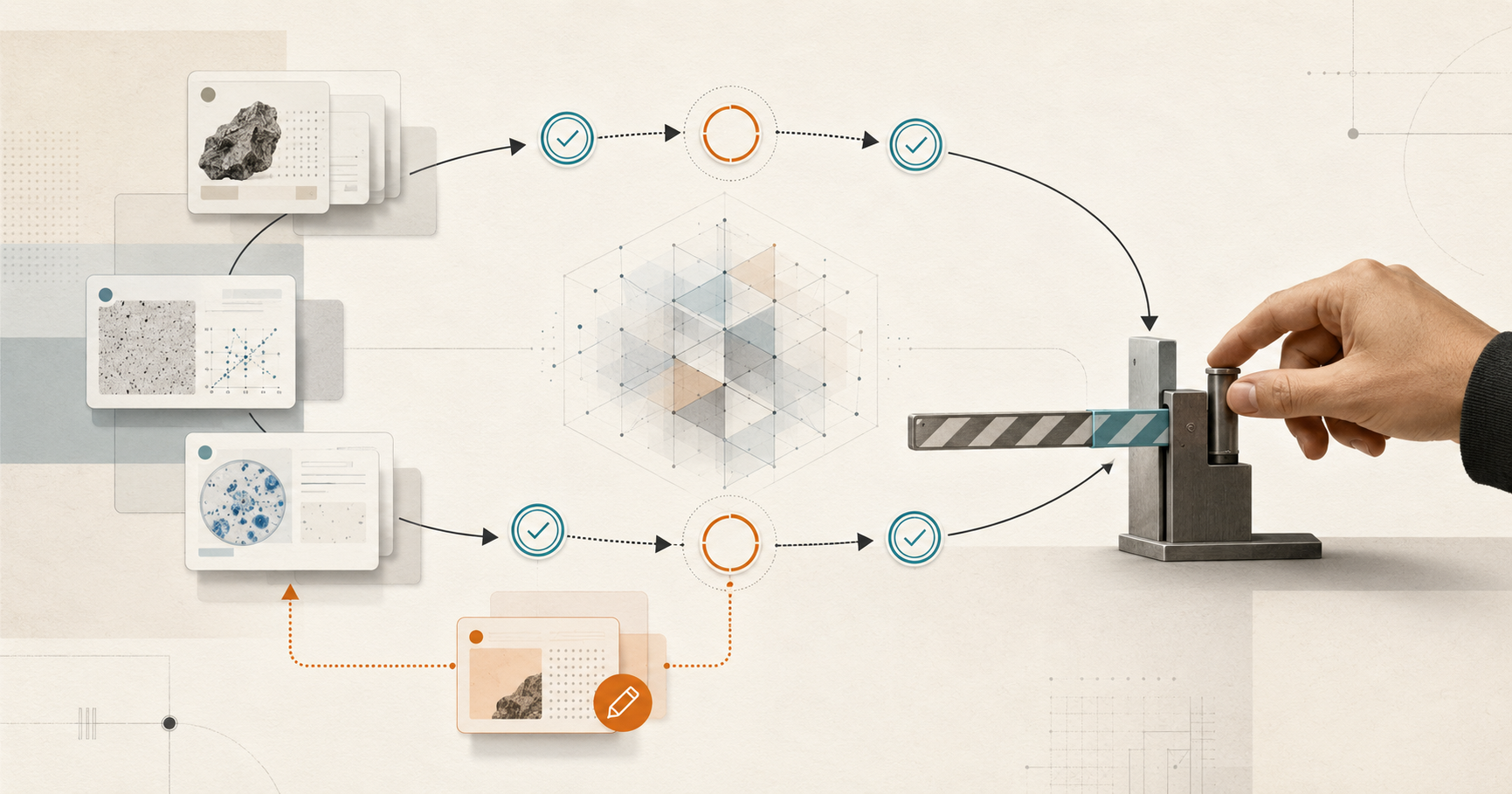
Three evidence-led Dispatches begin with a remembered artifact, test the claim against public sources and separate what is verified from what still requires evidence.
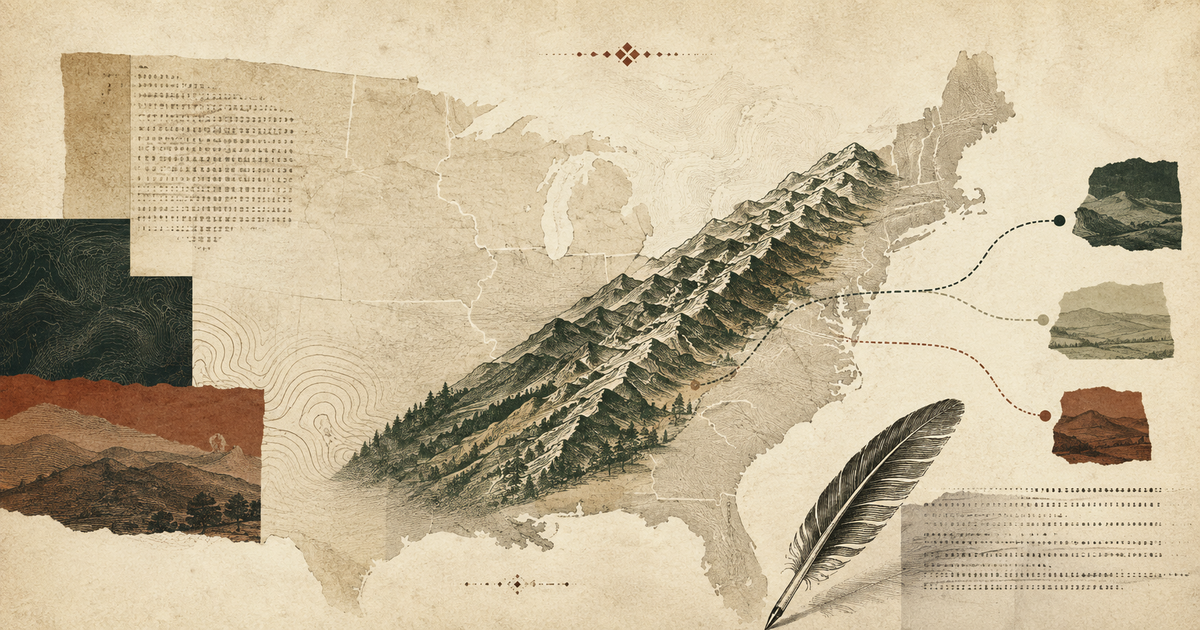
Washington Irving proposed Appalachia or Alleghania as a distinctive national name in 1839. Edgar Allan Poe later argued specifically for Appalachia—but the name was never officially adopted.
The Appalachian mountain system, the federally defined Appalachian Region and the fourteen-state Appalachian Trail corridor describe related—but not identical—geographies.
The number marks a major transition in a much longer geologic history: continental collision had built the mountains, Pangea began to separate, the Atlantic opened and erosion continued shaping the ridges we know today.
Publishing standard: Research before publish. Each Dispatch identifies the source, the supported claim, the uncertainty and the next evidence needed.
New three-part vision series
Ellijay: Digital Capital of Georgia, USA
A people-first campaign to grow rural digital capability, enterprise and original intellectual property—while saying no to hyperscale data-center development in small rural towns.
Publisher Lalit Devgan examines how original storytelling, responsible regional research, human-led technology and transparent opportunity pathways can help North Georgia and Appalachia move forward.
GiNi Inc. dba ORG Times has submitted its human-led digital publishing and opportunity-signal infrastructure for consideration in the Digital Publishing Award 2026 Process / Technology category.
A publisher’s field account of how a two-person company can connect observation, editorial judgment, technology, publication and learning without confusing automation with authority.
A publishing institution does not begin with a building or a large staff. It begins when observations, decisions, evidence and learning can survive beyond a single post.
A publisher’s perspective on why businesses, professionals, places and communities need more than exposure—they need accurate stories that make their value visible and understandable.
Appalachia produces valuable signals every day. The next step is organizing local stories, observations and evidence into regional intelligence that improves real decisions.
A regional publication can do more than distribute content. It can help organizations become visible, understood and connected to responsible next steps.
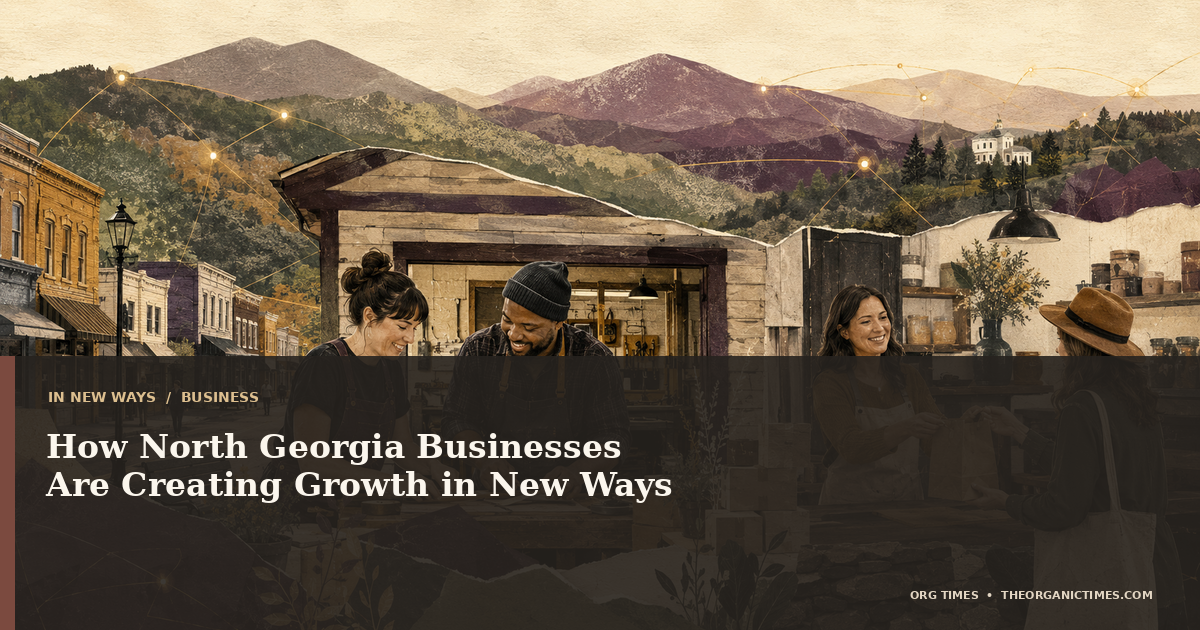
A practical look at how businesses in Ellijay and North Georgia can combine local trust, digital capability, useful storytelling and wider market pathways without losing what makes them local.
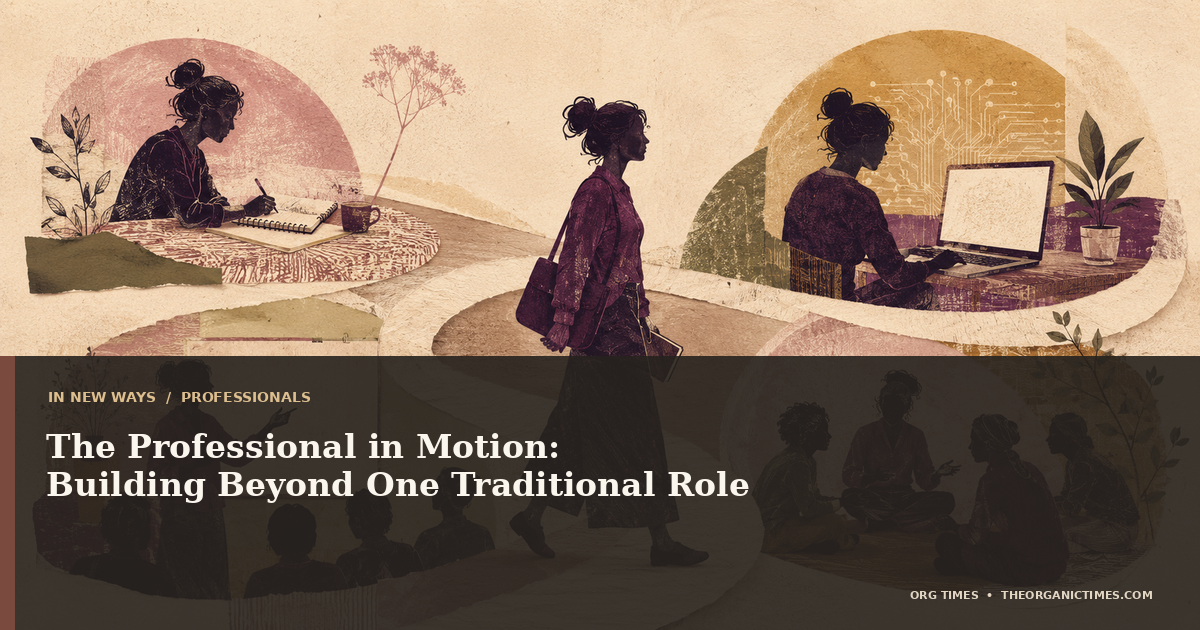
Professionals are not always moving from one title to another. Many are building careers that combine expertise, creation, technology, teaching, entrepreneurship and community contribution.
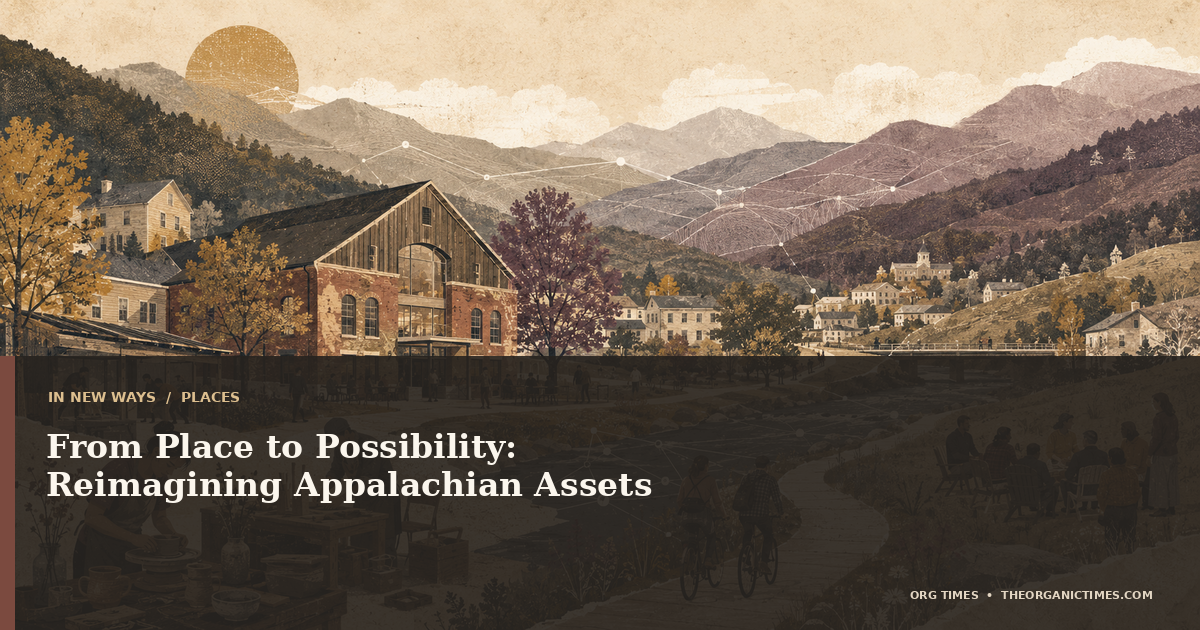
Buildings, landscapes, traditions, businesses and community knowledge can become connected platforms for experience, enterprise, learning and regional opportunity.
Trust in technology is shaped not only by technical performance, but by whether people can understand the context, retain meaningful choice and recognize what a system is asking of them.
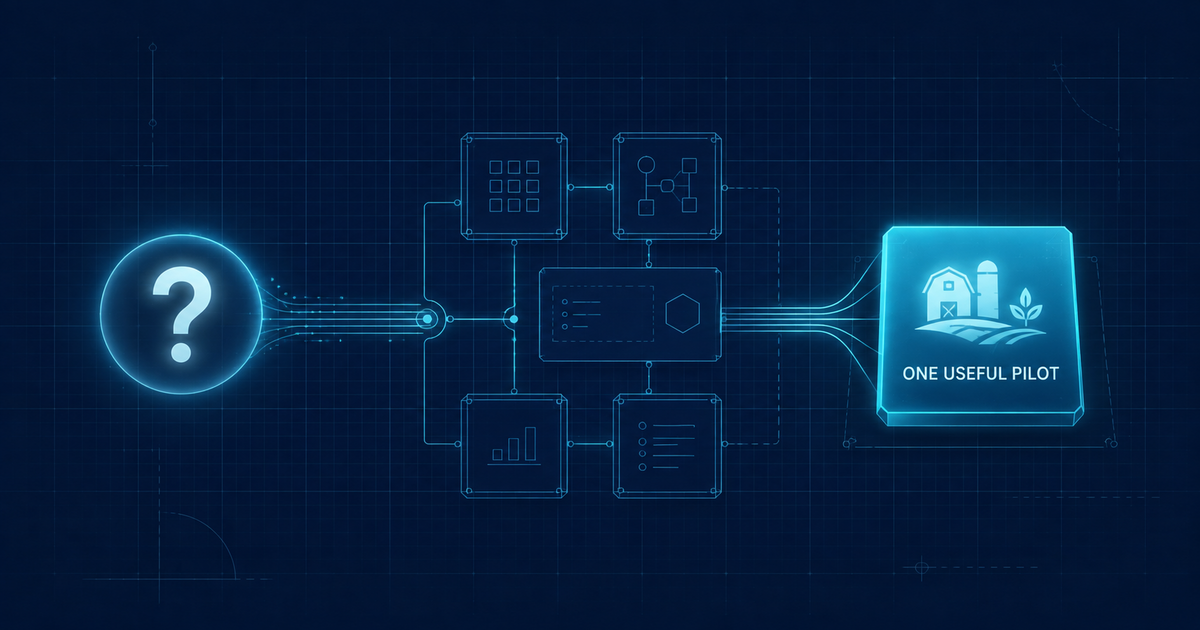
A rural organization does not need to begin with an enterprise-wide AI transformation. It can begin with one verified need, one bounded use case and one test designed to produce a useful decision.
Digital access matters, but durable rural capacity also depends on who can govern tools, understand data, retain knowledge, change providers and convert technology into locally useful opportunity.
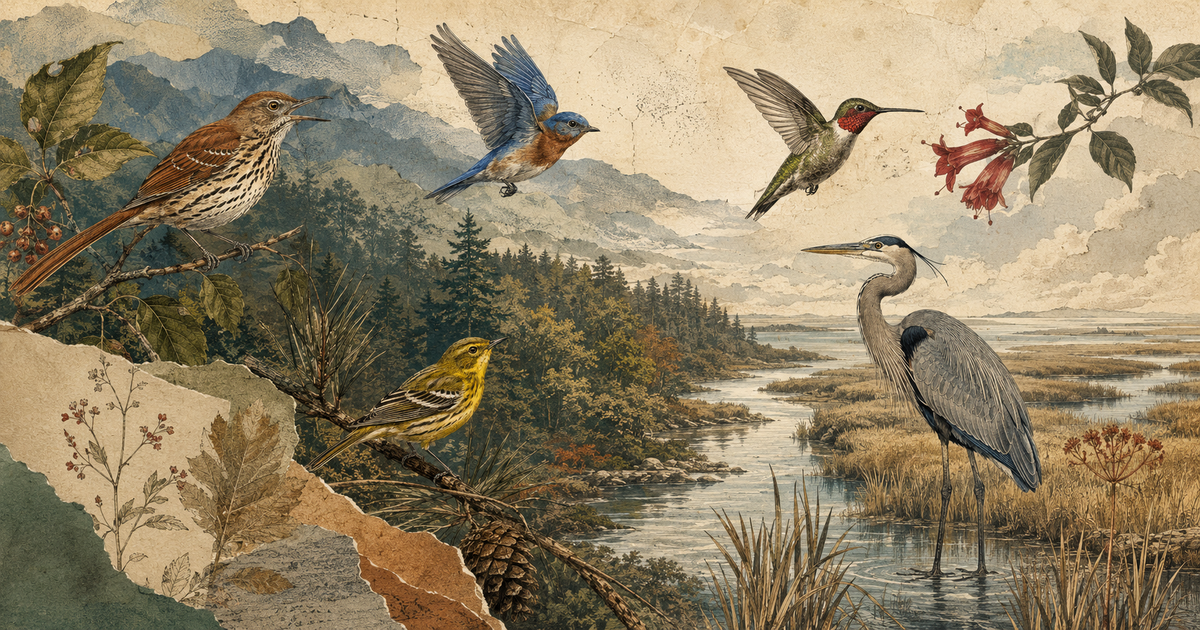
From brown thrashers and bluebirds to warblers, herons and long-distance migrants, Georgia’s birds reveal how one local habitat participates in a continental living system.
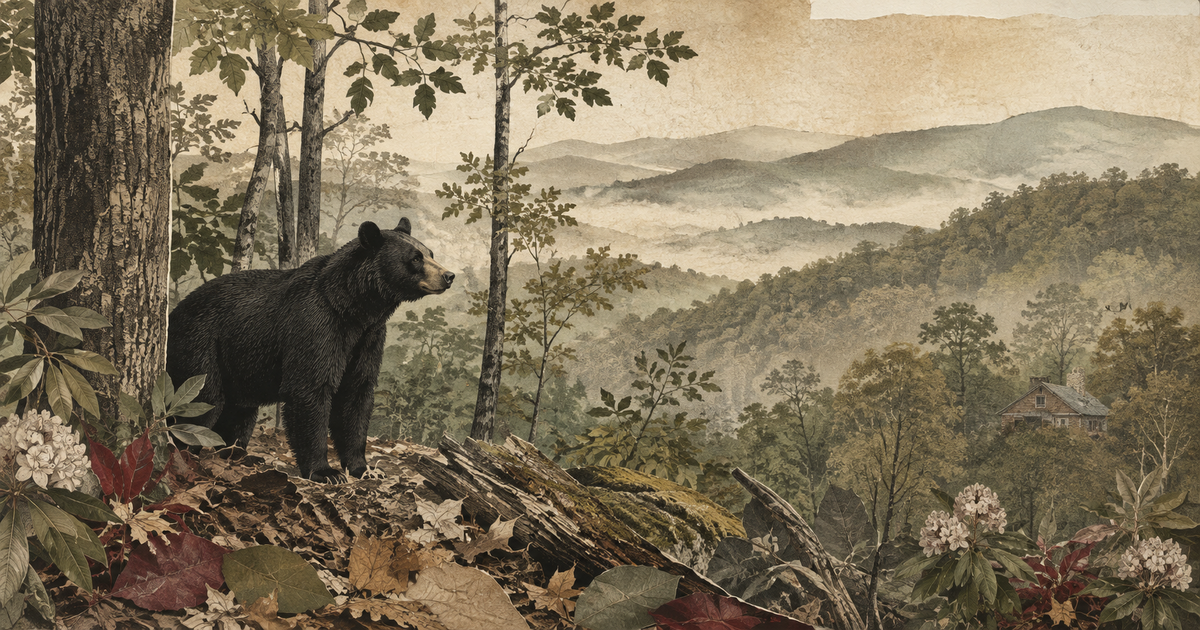
Georgia’s black-bear recovery is a conservation success. Keeping it successful requires distance, secured attractants and a clearer understanding of how people share Appalachian bear country.
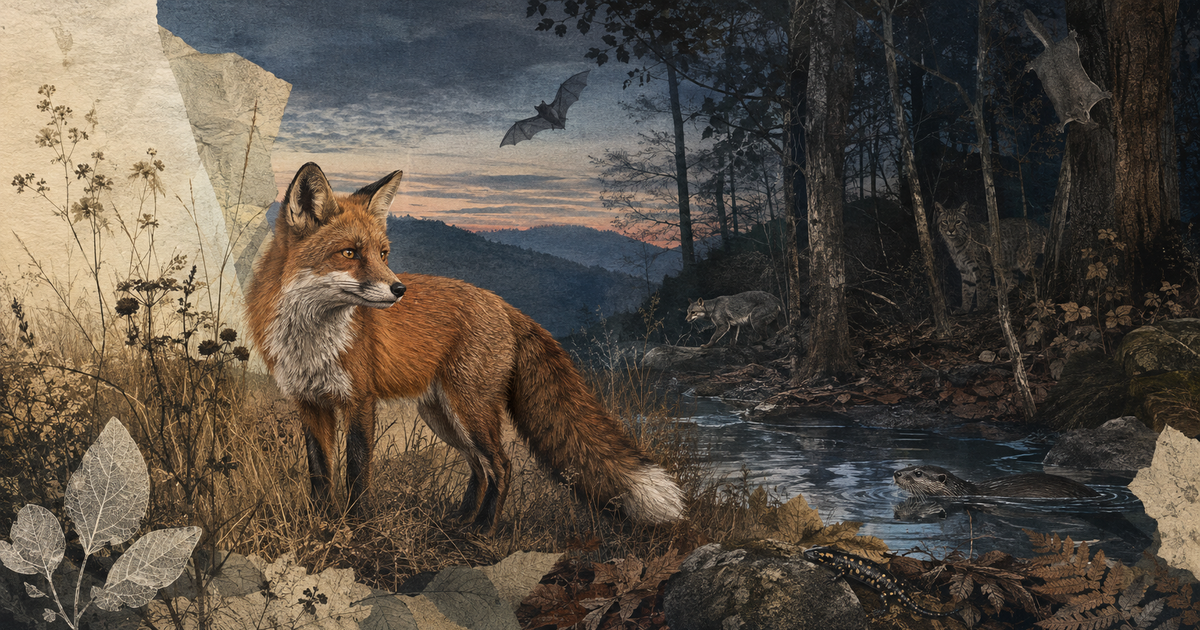
The red fox opens a wider field of elusive Appalachian life—from gray foxes and bobcats to river otters, flying squirrels, bats, salamanders and other native species.
ORG Times has prepared and internally tested its owner-only Quick Publish Desk from Ellijay, Georgia. The Desk accepts a verified observation, applies content validation and prepar…
North Georgia can have low unemployment and still leave many households short of Georgia’s earning power. This inquiry follows the points where school, skill and work stop connecting.
A low county Gini can describe broadly strong incomes—or incomes clustered at modest levels. North Georgia’s 27-county pattern shows why the number needs company.
Remote work, digital enterprise, business modernization and ag-tech may widen rural earning choices—but only when skills can be converted into paid value.
Ellijay does not have to begin from zero: its history of rural collaboration, regional institutions and community-scale innovation offers a practical starting point for understanding what should come next.
Available funding is not always accessible funding: definitions, eligibility, matching requirements, debt capacity, staffing and application complexity can prevent rural communities from converting programs into local investment.
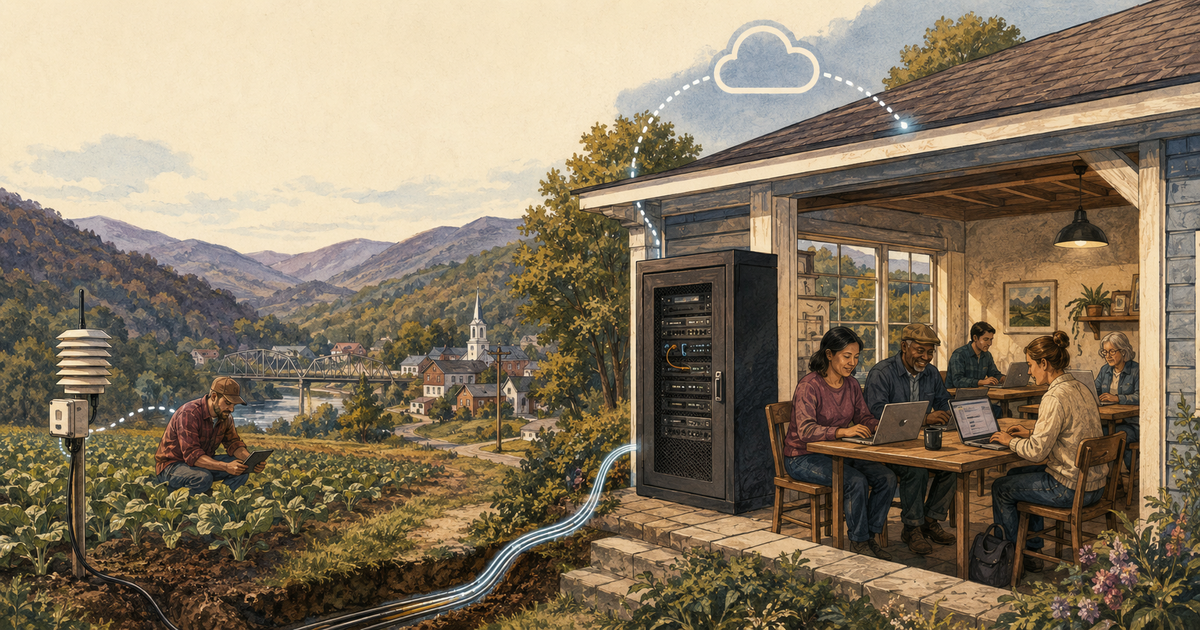
Rural communities can build useful AI-era capacity through broadband, cloud access, digital skills, shared spaces, secure devices and right-sized edge computing—without treating a hyperscale data center as the only path to participation.
Ellijay can become a nationally visible model for people-first rural digital development by growing talent, enterprise, practical technology and original intellectual property—not hyperscale data-center infrastructure.
Small rural communities can participate fully in the digital economy without accepting hyperscale data-center campuses whose land, power, water and public-infrastructure demands may outweigh durable local benefits.
A practical roadmap can move Ellijay from a bold digital-capital vision to visible outcomes in skills, small-business capability, applications, media, market access and locally owned innovation.
The Appalachia Discovery is a regional media, technology and opportunity initiative that helps people discover places, organizations, experiences and possibilities across Appalachia.
InnoPreneur.org helps founders, businesses, nonprofits and communities move from an idea or operational need to a practical, launched and supported digital solution.
DigiTourismApp is a tourism, experience and rural innovation platform that helps people gather, explore, restore, learn, create and connect—beginning in Ellijay, Georgia.
A practical definition and seven-part framework for understanding whether a rural business can select, use and sustain technology that supports real work.
Technology adoption often fails because the surrounding business conditions are not ready. These seven barriers show where practical support should begin.
Regional business intelligence turns scattered local signals into shared evidence that businesses, providers and community organizations can use to make better decisions.